What does A2L mean?
Refrigerants receive safety classifications based on toxicity and flammability characteristics. The letter A identifies the lower-toxicity classification. Meanwhile, 2L identifies lower flammability with a low burning velocity.
A2L refrigerants are often described as mildly flammable. However, that description does not mean technicians can ignore ignition or handling risks. Proper equipment design and installation practices remain essential.
R-454B and R-32
R-454B and R-32 are examples of A2L refrigerants used in newer air conditioning and heat pump equipment. Both have lower global warming potential than R-410A. However, they have different properties and require compatible system designs.
You cannot choose a refrigerant independently of the equipment. For example, a system designed for R-454B must follow its manufacturer’s refrigerant specifications. Therefore, installers must match equipment, components, and servicing procedures.
Why new HVAC installations are changing
The EPA’s American Innovation and Manufacturing Act framework addresses the transition away from higher-global-warming-potential refrigerants. Its Technology Transitions rules establish requirements for different equipment categories. As a result, many newer residential systems use lower-GWP refrigerants.
However, EPA compliance dates and exceptions vary by equipment category. The agency has also revised some transition requirements. So, we confirm the rules applicable to each system rather than relying on one universal cutoff date.
Technician training and installation safety
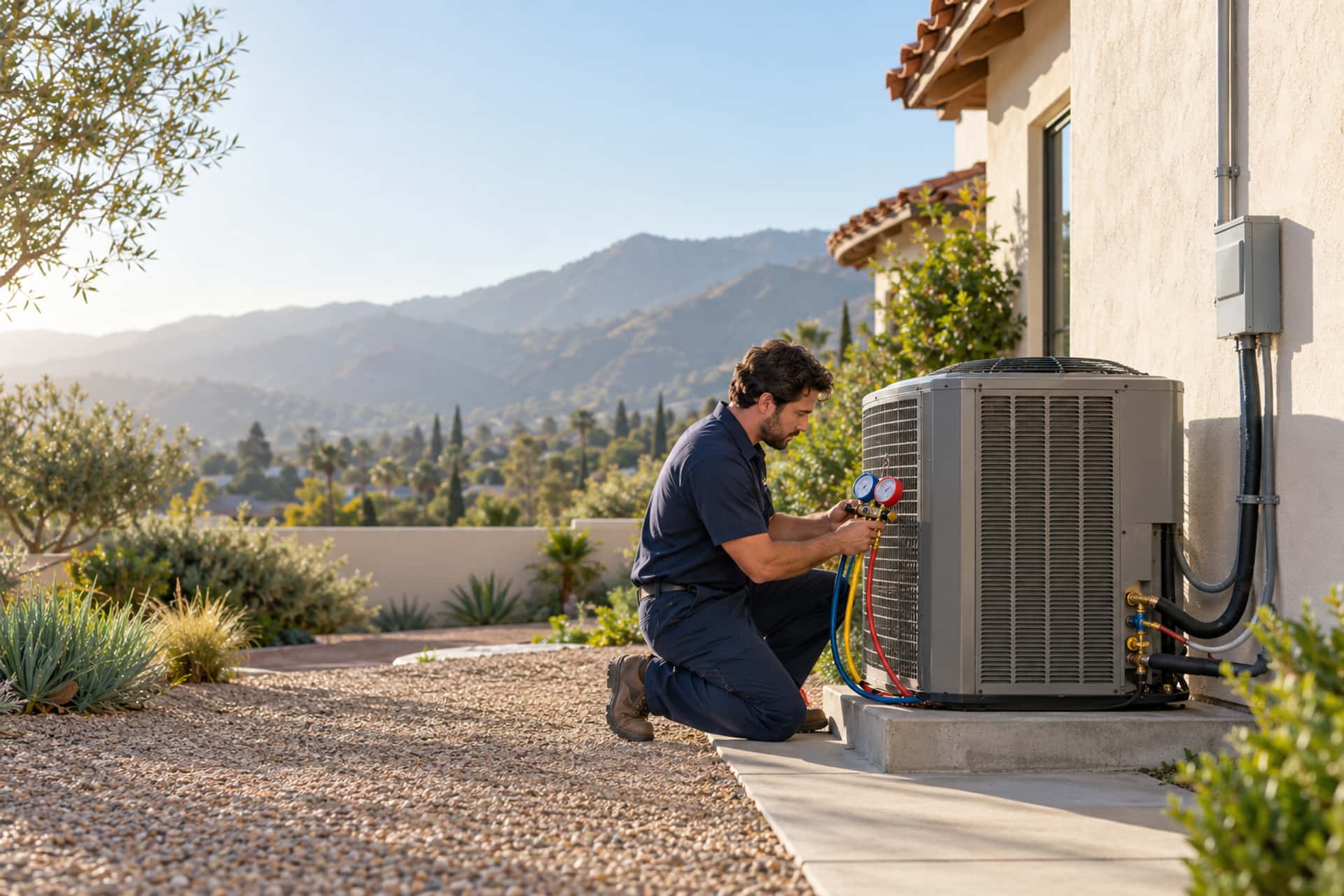
A2L systems require technicians to understand their refrigerant characteristics. Training covers appropriate handling, equipment compatibility, and relevant safety procedures. Also, technicians must follow manufacturer instructions and applicable safety standards.
Installation planning may involve ventilation, ignition-source precautions, refrigerant detection, and approved service tools. The exact measures depend on equipment design and governing requirements. Therefore, these systems should receive service from qualified HVAC professionals familiar with A2L equipment.
What happens to existing R-410A systems?
An existing R-410A air conditioner does not automatically require replacement because newer systems use different refrigerants. EPA rules allow compatible repairs and servicing of existing equipment. So, homeowners can still discuss repair options for older systems.
However, A2L refrigerants are not drop-in replacements for R-410A. Existing equipment must use compatible refrigerants and components according to applicable requirements. If replacement becomes necessary, we review currently compliant equipment options.
Key takeaways
- A2L refrigerants are mildly flammable (class 2L) and have a lower global warming potential than R-410A.
- R-454B and R-32 are examples used in newer HVAC systems.
- Proper technician training, equipment compatibility, and safe installation procedures matter.
- Existing R-410A systems can still receive compatible repairs; EPA transition requirements vary by system.
Programs can change — checked October 2026.